

Updated February 15, 2026.
Discover Kalaripayattu, one of India's oldest martial arts and Kerala's crown jewel. This comprehensive Kalaripayattu guide explores its 3,000-year Kalaripayattu history, dynamic training stages, iconic weapons like the Urumi, holistic healing practices, and transformative benefits. Blending physical prowess, yogic breathwork, and Ayurvedic wisdom, it's perfect for beginners seeking "learn Kalaripayattu in Kerala." Through our collaboration with Nithya Chaithanya Kalari, THRIKA offers authentic programs in Kochi, Ernakulam, amid Kerala's lush landscapes. Ready to unleash your inner warrior? Start your journey today.
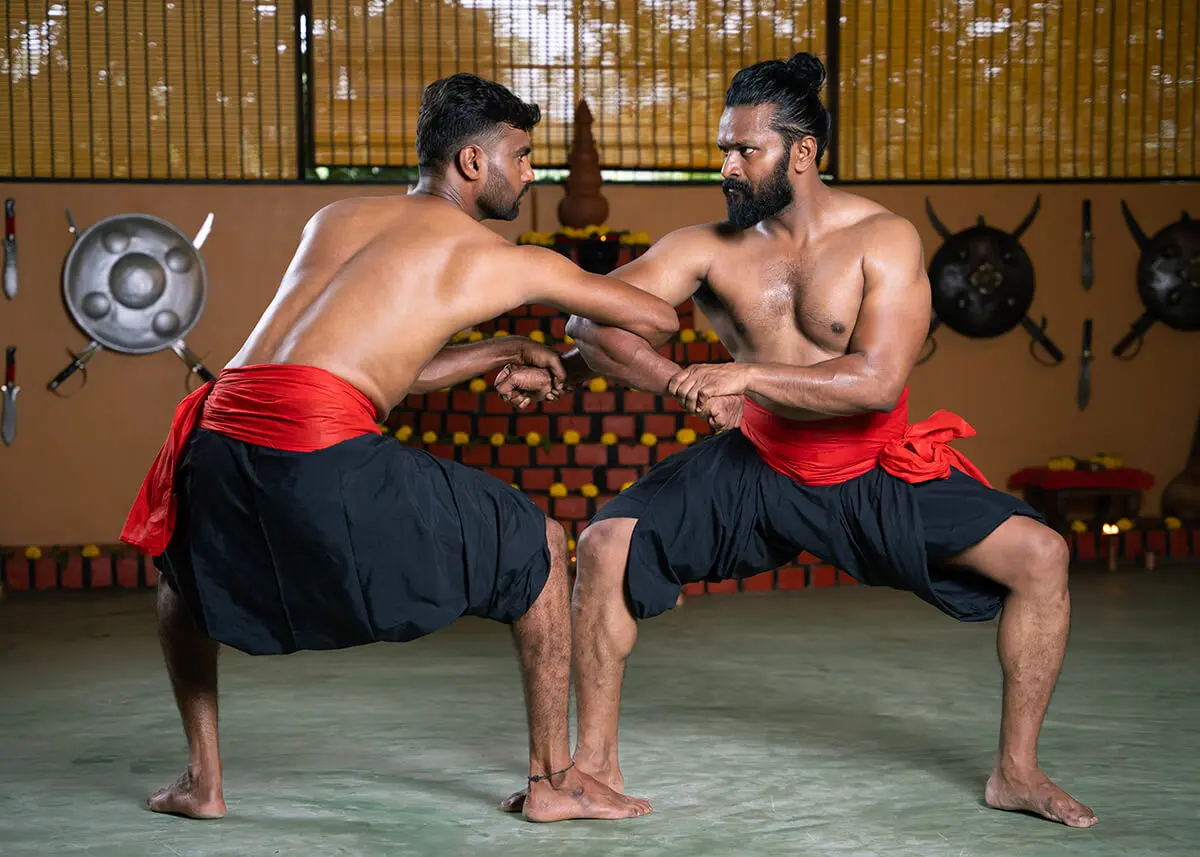
Kalaripayattu (pronounced "Kalarippayattu"), the "mother of all martial arts," is a traditional South Indian system originating from Kerala. Known for its explosive movements, intricate weapon mastery, and body-conditioning drills, it integrates strikes, kicks, grapples, pressure-point (marma) techniques, and meditative focus. This Kerala martial art isn't just combat—it's a holistic path to strength, agility, and inner balance, fostering discipline, dedication, devotion, and duty.
The name breaks down to:
Influencing global arts like Kung Fu (via Bodhidharma's 5th-century journey from Kerala to China), Kalaripayattu thrives today in gurukuls like THRIKA in collaboration with Nithya Chaithanya Kalari (est. 1993). With rising popularity among professionals for stress relief, it's ideal for Kalaripayattu for beginners.
Kalaripayattu's roots trace to 3000 BCE in Sangam literature, evolving as Kerala's warrior art for Nair soldiers against invasions. Legend attributes its creation to Parashurama, who established 108 kalaris. Suppressed by British colonials in the 1800s, it revived post-1947 through gurus like Meenakshi Amma—and continues through lineages like Nithya Chaithanya Kalari, founded in 1993 by Sri. Murugan Pillai Gurukkal.
In recent years, 2025 saw controversy as Kalaripayattu shifted to demonstration status at the 38th National Games, sparking calls for medal recognition. Yet, momentum builds: The National Kalarippayattu League 2025–26 showcased talents from J&K, while events like Kalari Anubhav 2026 (January 10) celebrated performances in Tamil Nadu. UNESCO's intangible heritage tag fuels global interest, with professionals embracing it for holistic fitness.
| Era | Key Events | Impact |
|---|---|---|
| 3000 BCE | Sangam poems & Parashurama legends | Dravidian warfare roots |
| 5th Century CE | Bodhidharma to China | Seeds Kung Fu |
| 1800s | Colonial bans | Underground survival |
| 1950s–2025 | Revival & National Games demo; Nithya Chaithanya founding | Global wellness boom |
At THRIKA, we blend this legacy with 2026 trends like fusion classes for urban warriors, under the guidance of expert Gurukkals.
Kalaripayattu adapts to Kerala's geography, offering styles for every practitioner.
| Style | Region | Focus | Best For |
|---|---|---|---|
| Northern (Vadakkan) | Malabar Coast | Flowing kicks, acrobatics | Agility & performance |
| Southern (Thekkan) | Travancore | Powerful strikes, marma | Self-defense |
| Central (Madhya) | Central Kerala | Balanced blend | Kalaripayattu beginners at THRIKA |
Kalaripayattu training in Kerala spans 5–10 years, starting slow for safety. THRIKA's programs, in partnership with Nithya Chaithanya Kalari, include regular batches for children (above 6 years), teenagers, adults, weekend sessions, and workshops for groups or individuals.
Foundation stage: Build flexibility via animal poses (e.g., horse for speed, peacock for grace).
Master basics with safe tools.
Advanced lethality with ethics.
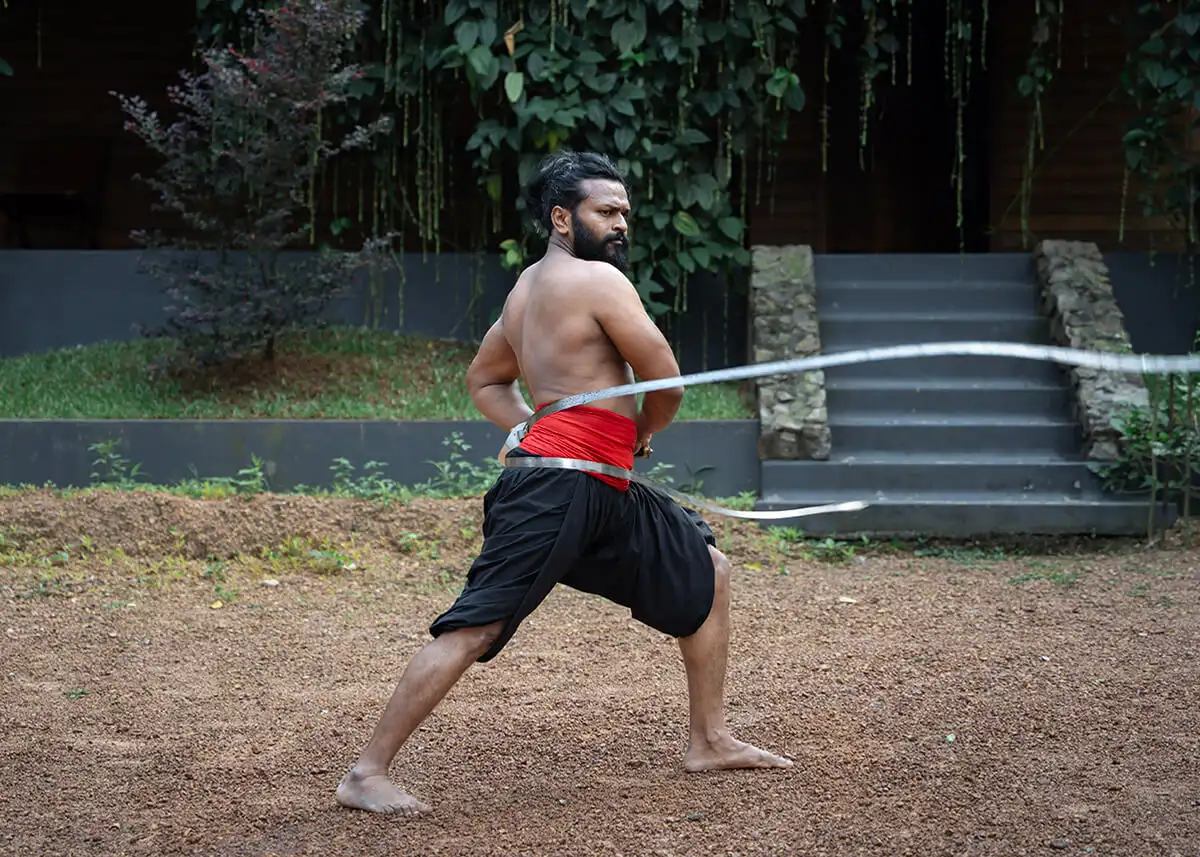
Unarmed culmination: Strikes from weapon flows.
Beyond battle, Kalari Marma Chikitsa targets 107 vital points for therapy, rooted in ancient warfare and medicine. Includes Uzhichil massages with herbal oils, reducing stress by 30% per studies. At THRIKA, integrate with Ayurveda for benefits of Kalaripayattu like pain relief and holistic harmony of body, mind, and soul.
From enhanced endurance to mental clarity, benefits of Kalaripayattu training are backed by tradition and science, unlocking unparalleled vitality, flexibility, and mental acuity.
Fluid like Capoeira, healing like Qi Gong—superior for holistic growth.
| Aspect | Kalaripayattu | Kung Fu | MMA |
|---|---|---|---|
| Focus | Holistic + healing | Forms & philosophy | Competition |
| Weapons | Early integration | Advanced | Minimal |
| Healing | Marma/Ayurveda | Qi | None |
Yes, if you crave cultural depth over gym routines. No experience needed—THRIKA's adaptive classes suit ages 6+ for children, teens, and adults.
At THRIKA in Kochi, Ernakulam, start here through our Nithya Chaithanya collaboration:
Ready for Kalaripayattu training in Kerala? Our Kochi gurukul offers intro sessions to full programs for all ages. Assess your goals and step into tradition with our expert Gurukkals.
▶ Book Free Consultation on WhatsApp